Branch Work That Reduces Risk and Improves Structure
Tree trimming in Indianapolis for overhanging branches that scrape roofing, damage gutters, and crowd utility lines
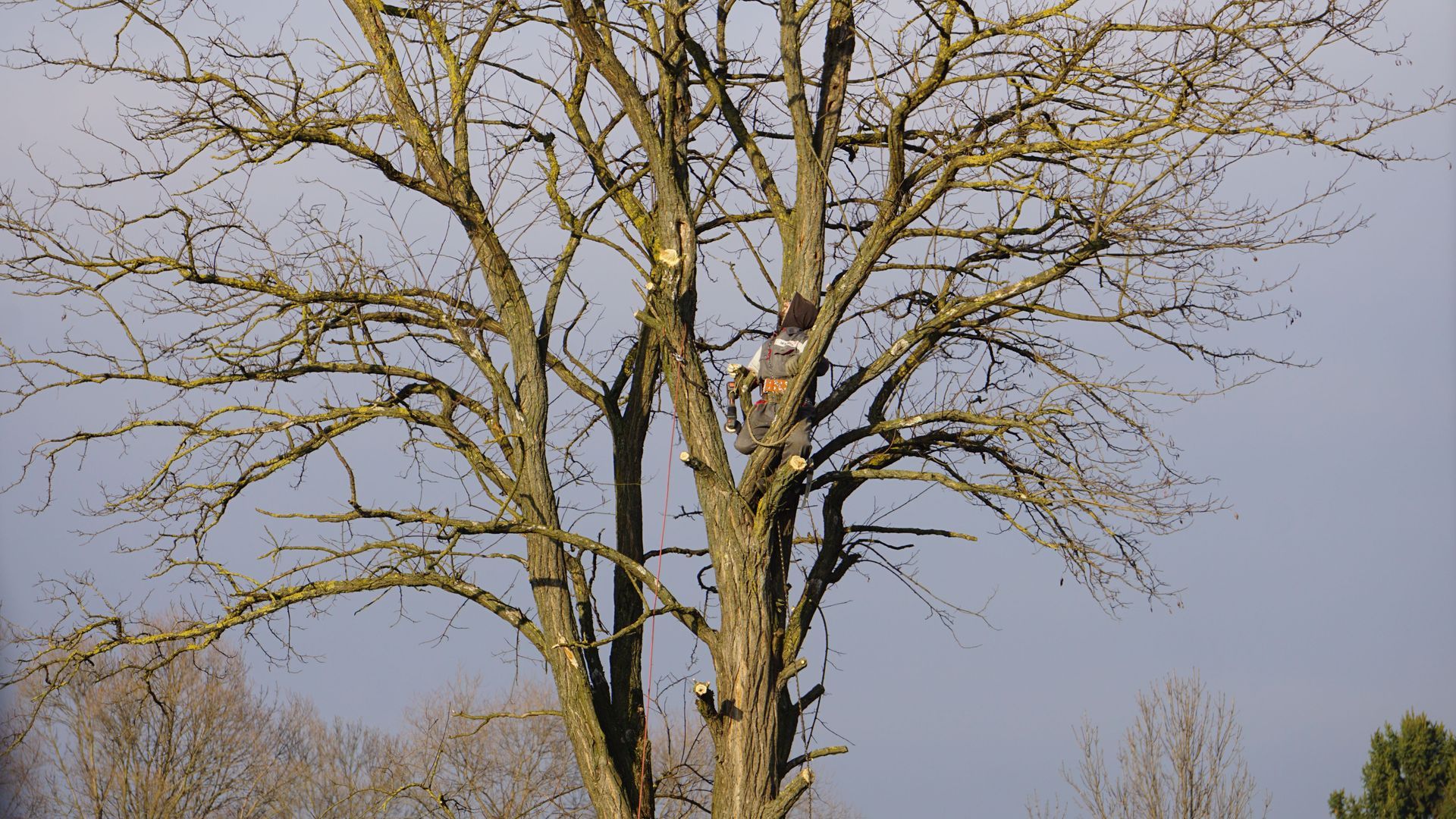
Branches that have grown over a roofline or into a gutter run aren't a cosmetic issue—they create abrasion damage to shingles, trap debris in gutters, and add weight and leverage against fascia during wind events. The owner of Holmes Construction & Roofing Solutions personally inspects each tree before trimming begins, evaluating branch condition, growth patterns, and proximity to the house, roof, siding, fences, and utility lines. That evaluation drives the trimming decisions rather than a default approach applied uniformly to every job.
Once the inspection is complete, branches are trimmed or removed based on what improves tree health and reduces risk to the property. Branches that are dead, crossed, or growing back toward the structure are prioritized differently than live growth that simply needs clearance. All debris is cleared from the property when the work is finished. In established residential areas like Noblesville, where mature tree canopies have grown over decades of unrestricted spread, this kind of targeted assessment is what separates trimming that holds up over time from cutting that produces aggressive regrowth toward the same problem areas within a few seasons.
Request an inspection to review branch conditions on your property and identify which growth poses the most immediate risk to your roof, gutters, or utility connections.
What Proper Tree Trimming Actually Requires
Trimming decisions are made at the branch level, not the tree level. Which branches come off, at what point along their length, and in what sequence are all driven by the tree's structure and what's below it. Cutting too close to the collar removes the tissue the tree uses to seal the wound; cutting too far out leaves a stub that decays back and opens the interior of the limb. Correct cut placement on each branch is the detail most visible in long-term tree health, and it's the step most often skipped when the goal is speed rather than quality.
After trimming is complete, gutters that were collecting leaf debris from overhanging branches will clear faster, shingles that were being abraded by branch tips will stop accumulating that wear, and the canopy will have defined clearance from structures and lines. Holmes Construction & Roofing Solutions removes all debris before leaving, so the property is clean and the results of the trimming are immediately visible.
Trees with growth near power lines require additional consideration for how branches are removed—the sequence and direction of cuts are adjusted to keep material from falling onto or through the line. The owner assesses line proximity during the initial inspection and adjusts the approach accordingly.
Answers About How Tree Trimming Is Done
The following questions cover the inspection process, how trimming decisions are made, and what to look for once the work is complete.
How does the owner determine which branches to remove?
The inspection evaluates each branch's condition, angle of growth relative to the trunk, proximity to structures and lines, and whether it's alive, dying, or already dead—branches that fail more than one of these checks are typically prioritized for removal first.
What is the correct way to cut a branch without damaging the tree?
The cut is made just outside the branch collar—the slightly raised ring of tissue where the branch meets the trunk or parent limb—which preserves the tissue the tree needs to compartmentalize the wound and prevent decay from entering.
Why do trimmed trees sometimes grow back faster toward the same problem areas?
Topping or heading cuts that remove the terminal bud without following the branch structure trigger vigorous regrowth called water sprouts, which are weaker than the original branch and often grow more aggressively than what was removed.
How are branches near utility lines handled differently during trimming?
Branches growing into or over lines are removed in shorter sections, cut from above or to the side rather than dropped through the line, and the sequence is planned so no cut piece can swing back into the conductor.
What should the trimmed tree look like when the work is finished?
The canopy should have clear separation from rooflines, gutters, and utility lines; no visible stubs should remain at cut points; and the overall structure should look balanced rather than heavily cut on one side.
Holmes Construction & Roofing Solutions also performs tree trimming in Brownsburg, Greenwood, Fishers, Noblesville, and Avon. Call (317) 862-0100 to have the owner inspect your trees and walk through which branches represent the greatest risk to your property.