
Leaks Diagnosed and Fixed at the Source
Roof repair in Indianapolis for active leaks, failed flashing, and damaged shingles on aging homes
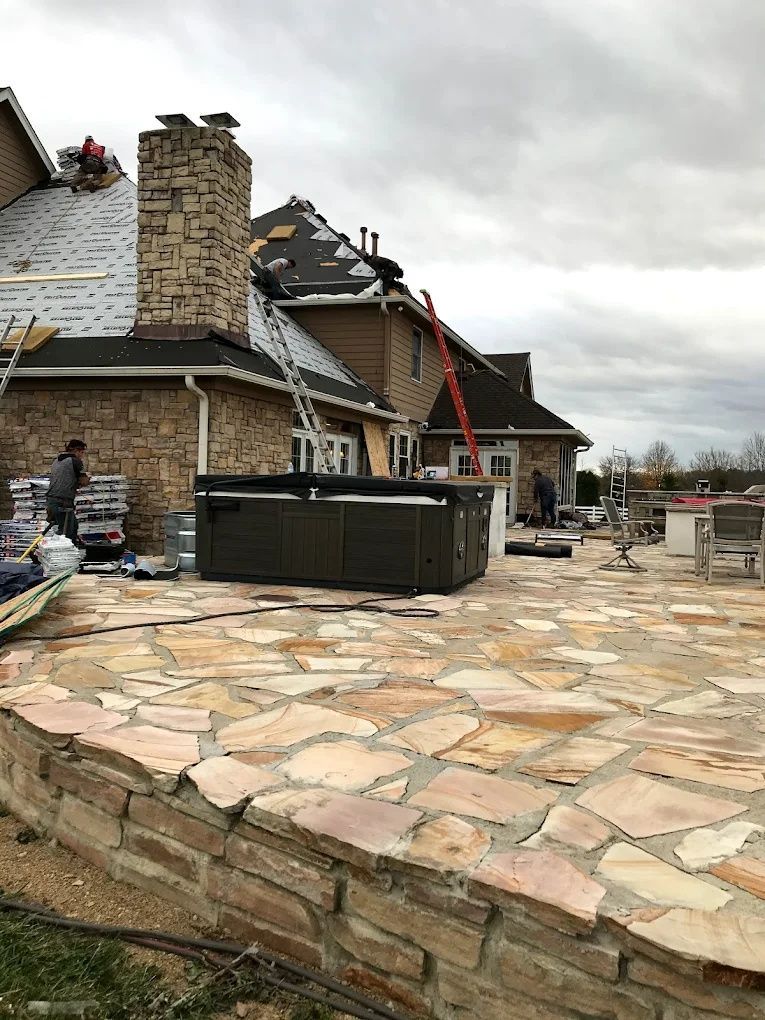
Holmes Construction & Roofing Solutions handles roof repair in Indianapolis with a straightforward distinction from most contractors: the owner performs every diagnosis and every repair personally. Homeowners dealing with ceiling stains, dripping attics, or visible shingle damage get a direct assessment from someone with 37 years of hands-on roofing experience, not a sales representative estimating from the ground. That matters when the difference between a minor flashing fix and a structural deck issue determines whether a repair holds for another decade or fails again within months.
The process begins with the owner visiting the property to diagnose the leak, assess flashing condition, and inspect for deck damage. Minor repairs—loose nails, cracked shingles, gaps in flashing—are completed during the estimate visit when possible, so you are not scheduling a second trip for work that can be done immediately. Structural issues identified during inspection are documented and quoted separately, giving you a clear picture of what the roof needs before any commitment is made. One service fee covers the diagnosis, and if the repair is straightforward, that fee applies directly to the job cost.
Arrange a personal roof inspection to identify the exact source of your leak and what it will take to stop it.
How Roof Repair Actually Addresses the Problem
Most roof leaks have a point of origin that is not directly above where water appears inside the home. Water travels along decking, rafters, and insulation before showing up as a stain or drip, which means visible interior damage can be several feet away from the actual breach. During an inspection, the owner traces the water path back to where roofing material, flashing, or decking has failed—often at valleys, pipe boots, chimney bases, or ridge caps where two surfaces meet and sealant or metal has separated.
After a repair is complete, you will notice the leak stops and the affected area inside begins to dry out—but equally important, the flashing or shingle section is left sealed against the adjacent materials rather than patched in isolation. Older Indianapolis homes, particularly those built in the 1960s through 1980s that are common in neighborhoods like Beech Grove, often have original flashing that was installed with materials and methods no longer considered sufficient. Repairs in those situations involve replacing the flashing itself, not just resealing it.
Holmes Construction & Roofing Solutions operates from the same home and office address it has used for 15 years, a detail worth noting when evaluating a contractor: you know exactly where to find the person responsible for the work. Repairs are scoped to what the roof actually needs, and structural findings are always documented separately so you can prioritize based on current conditions.
What Homeowners Ask About Roof Repair Work
The following questions address how roof repair is performed, what the inspection involves, and what to watch for when evaluating the work.
What does a roof leak diagnosis actually involve?
The owner walks the roof surface and inspects from inside the attic when accessible, tracing water infiltration back to the breach point rather than relying solely on where it appears inside the home. This two-angle approach catches cases where the entry point is significantly offset from the interior damage.
How do you know whether a repair will hold or whether the roof needs replacement?
The condition of the decking beneath the shingles is the key indicator—soft or rotted wood means water has been entering long enough to compromise structure, and a patch on top of that will not hold. The owner evaluates deck integrity during the initial visit so you have that information before deciding how to proceed.
What causes flashing to fail on older Indianapolis homes?
Flashing around chimneys, skylights, and valleys is typically sealed with roofing cement that hardens and cracks over time, and on homes built before the 1990s, the metal itself may be galvanized steel that has corroded at seams. Replacement flashing is installed rather than re-sealed when the base metal has deteriorated.
When is the right time to address a minor repair before it becomes a larger problem?
Once a shingle is cracked, curled, or missing, the underlayment beneath it is exposed to UV and moisture, and that exposure compounds quickly during months of heavy use. Catching a single failed shingle early prevents the deck beneath it from absorbing water that would otherwise require board replacement.
What should the finished repair look like once the work is done?
Replaced shingles should align with the existing course pattern, flashing should lie flat against both the roof surface and the adjoining vertical surface with no visible gaps, and sealant should be applied at contact edges rather than globbed over the top of the repair.
Holmes Construction & Roofing Solutions also performs roof repair in Greenwood, Fishers, Noblesville, Brownsburg, and Avon. To schedule a personal inspection and get a clear answer on what your roof needs, call (317) 862-0100.